Why Weather is a Photographer’s Ally
Weather transforms the ordinary into the extraordinary:
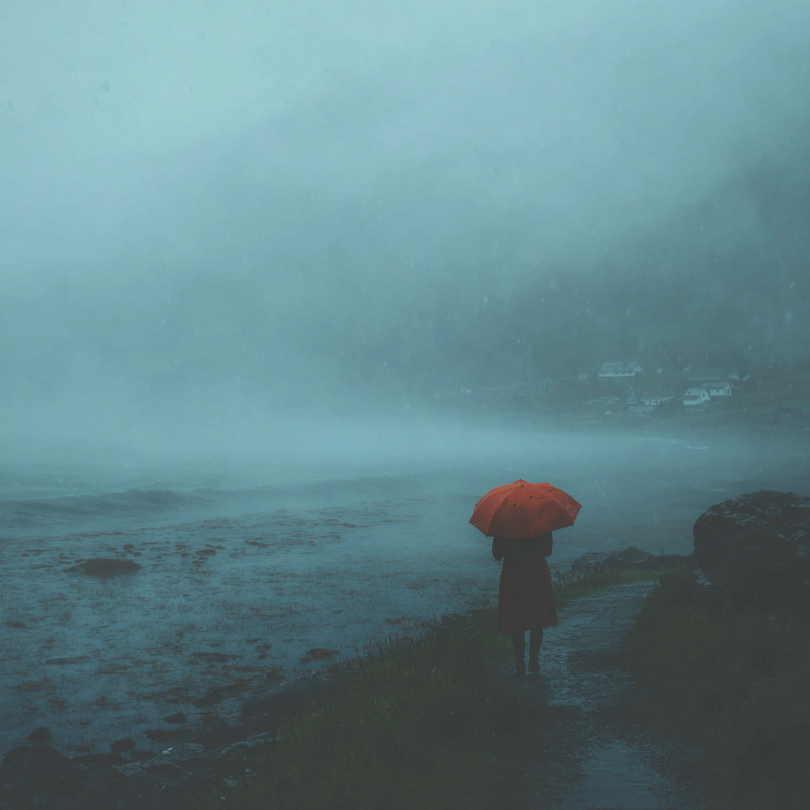
Rain: Adds reflections, saturation, and mood. Wet streets, puddles, and glossy leaves amplify colors and create dynamic compositions.
Fog & Mist: Softens harsh lines, isolates subjects, and creates a dreamy, mysterious atmosphere.
Snow: Turns landscapes into minimalist wonderlands, emphasizes textures, and adds contrast.
Wind: Adds motion to water, grass, trees, or fabric, creating dynamic energy in your frame.
Cloudy Skies: Provides soft, diffused light that reduces harsh shadows and allows subtle details to shine.
Every condition tells a story. The key is to adapt, observe, and find the opportunity hidden in the weather.
Practical Tips for Shooting in Various Weather Conditions
Rainy Days
Rain is not an enemy—it’s a creative tool:
Reflections: Look for puddles on streets, sidewalks, or plazas. Reflections can double the impact of neon signs, architecture, or passing pedestrians.
Umbrellas: People carrying umbrellas add color, repetition, and mood to street photography.
Raindrops: Macro shots of droplets on leaves, windows, or lenses can create abstract, intimate compositions.
Tip: Always protect your gear with a rain cover or waterproof bag.
Fog & Mist
Fog simplifies scenes, removing distractions and focusing attention on your subject:
Landscapes: Mountains, forests, and lakes take on a dreamy, ethereal quality.
Urban Scenes: Streetlights or neon signs appear softer, adding mystery and atmosphere.
Composition Tip: Use leading lines or silhouettes to enhance depth and storytelling.
Snowy Conditions
Snow transforms familiar landscapes into stark, dramatic scenes:
Contrast: Snow highlights shapes, structures, and textures, creating minimalist compositions.
Reflections & Shadows: Snow can reflect soft light, illuminating details even in low-light conditions.
Tip: Adjust exposure to prevent overexposed white areas; consider using a tripod for crisp long-exposure shots.
Wind & Motion
Wind adds energy to static scenes:
Nature: Waves crashing, tall grass swaying, or birds in flight create dynamic imagery.
Urban Photography: Flags, flowing fabrics, and bustling streets gain movement and energy.
Tip: Use faster shutter speeds to freeze motion or slower speeds to create creative blur.
Cloudy Skies & Diffused Light
Overcast days reduce harsh contrasts, making them ideal for portraits, street photography, and landscapes:
Soft Lighting: Highlights subtle textures and colors.
Balanced Exposure: No more struggling with deep shadows and blown-out highlights.
Tip: Embrace muted tones and atmospheric effects; editing can enhance contrast and mood later.
Gear Tips for All Weather
Protective Gear: Rain covers for cameras, lens hoods, and microfiber cloths for wiping lenses.
Tripod: Essential for low-light, snow, or long-exposure shots. Compact and sturdy models are ideal for travel.
Fast Lenses: Wide-aperture lenses help in low-light conditions like fog, rain, or early evening.
Backups: Extra batteries in cold or damp conditions; weather reduces battery life.
Creative Opportunities in Bad Weather
Reflections Everywhere: Wet streets and puddles create natural mirrors.
Atmospheric Portraits: Mist, snow, and rain add mood and drama.
Enhanced Colors: Rain and fog often deepen colors and saturation naturally.
Silhouettes & Shadows: Soft light from overcast skies or snow provides ideal conditions for silhouette work.
Motion & Dynamics: Windy conditions let you capture flowing movement in nature or urban settings.
Examples of Weather Enhancing Photography
Tokyo in Neon: Rain-soaked streets reflect vibrant signage, creating cinematic cityscapes.
Iceland: Wild Postcard: Mist over waterfalls or glaciers adds drama and scale.
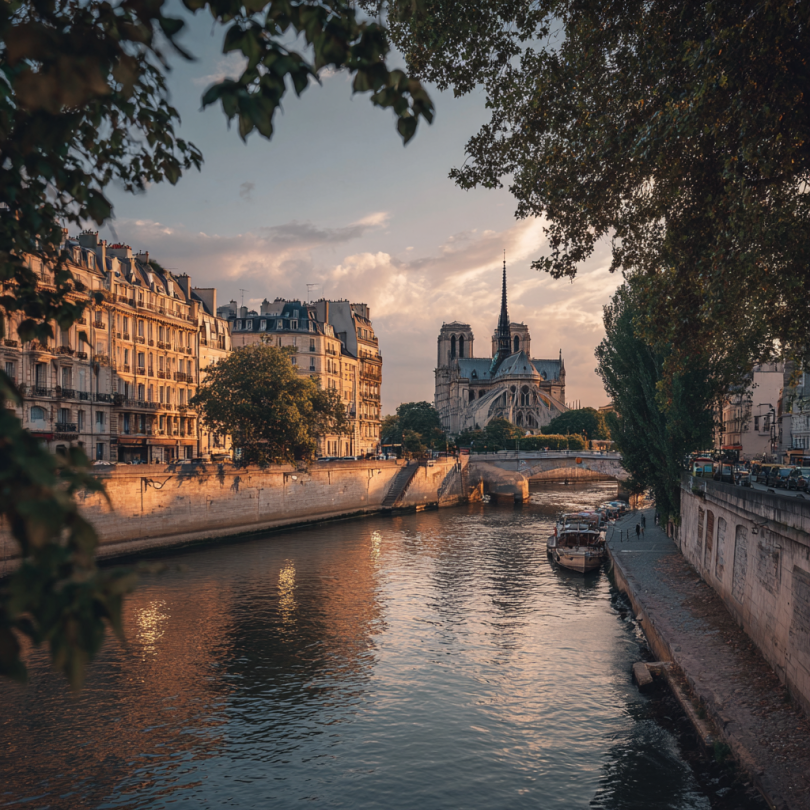
Paris Without Eiffel: Fog softens early-morning streets, creating quiet, intimate moments.
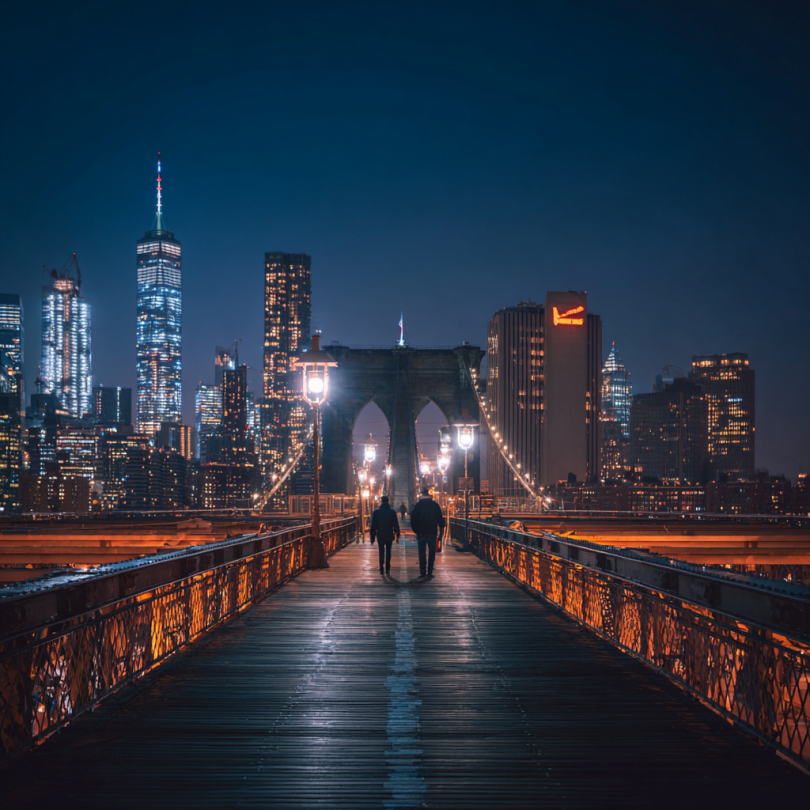
New York Bridges & Lights: Cloudy evenings or rain turn urban landscapes into moody masterpieces.
Weather can transform ordinary locations into unique compositions that stand out from typical postcard shots.
Mindset: Embrace the Unexpected
The best photographers learn to see opportunity in every drop, gust, or flake. Weather isn’t a problem—it’s a collaborator. By adjusting your approach, planning for conditions, and keeping an open mind, you can create images that feel alive, dramatic, and original.
Stay Flexible: Be ready to change locations, angles, or techniques on the fly.
Observe: Watch how light interacts with clouds, fog, or reflections.
Experiment: Try unusual angles, shutter speeds, or perspectives that work specifically with the weather.
Must-Have Shots Checklist
Rainy city streets with reflections and blurred pedestrians.
Fog-covered mountains or urban skylines.
Snowy landscapes with leading lines or silhouetted trees.
Wind-swept coastlines or moving grass.
Overcast portraits with soft, even light.
Cloudy skies over landmarks for dramatic storytelling.
Final Thoughts
Weather ≠ problem—it’s an invitation to see the world differently. Every condition offers a chance to tell a more authentic, dramatic, and unique story. The elements create mood, texture, and dynamism that perfectly clear skies often cannot.
Next time rain pours, snow falls, or fog rolls in, don’t see it as a setback. Pick up your camera, observe how the world is transformed, and embrace the challenge. Your photographs will thank you, and you’ll discover that every sky, every storm, and every drop of rain is a tool waiting to turn ordinary moments into extraordinary images.