Why Storytelling Matters
Images without context are often forgotten; images that tell stories linger. Storytelling:
Engages viewers emotionally: People connect with stories more than visuals alone.
Creates a sense of place: A photograph can transport the viewer to a city street, mountain peak, or hidden alley.
Adds depth and meaning: Even simple scenes gain significance when framed with narrative intent.
Guides composition choices: Story-driven photography naturally emphasizes perspective, framing, and focus.
In essence, storytelling turns a photo from documentation into experience-sharing.
The Building Blocks of Storytelling in Photography
1. Context is Key
Include environmental elements to show where your story takes place.
Example: A street musician is more impactful with surrounding architecture, pedestrians, or signage that sets the scene.
2. Subject and Emotion
The subject’s posture, expression, or interaction conveys emotion.
Candid moments often feel more authentic than posed shots.
Example: A child playing in a fountain, a vendor serving food, or travelers interacting with locals.
3. Composition Choices
Leading lines: Streets, bridges, rivers, and pathways guide the viewer through the story.
Framing: Doorways, windows, arches, or foliage can highlight subjects.
Rule of thirds: Place key elements strategically to create balance and flow.
4. Light and Shadow
Light sets the mood, whether dramatic, soft, or mysterious.
Shadows can create tension, depth, or abstract storytelling elements.
Example: Sunset casting golden silhouettes over city rooftops, or neon lights reflecting on wet streets.
5. Motion and Timing
Movement adds life to images. Crowds, flowing water, waving flags, or bustling markets create energy.
Timing is everything: a split-second gesture or glance can tell a story by itself.
Techniques for Storytelling Through Photography
1. Use Foreground, Midground, and Background
Layer your scene to create depth and narrative:
Foreground: Leads the viewer into the story.
Midground: The subject or central action.
Background: Provides context and atmosphere.
2. Incorporate Human Elements
Even landscapes benefit from human presence. Small figures in wide scenes show scale and engagement:
Example: Hikers on a glacier, a lone figure on a bridge, or a couple strolling through a colorful market.
3. Focus on Details
Close-ups reveal stories often overlooked:
Hands preparing food, textures of fabrics, signs in foreign languages, or reflections in puddles.
These details enrich the broader narrative and add intimacy.
4. Capture Transitions and Changes
Golden hour, changing weather, or flowing water can symbolize passage of time and movement.
Example: Clouds rolling over a mountain, crowds dispersing after a festival, or night falling on a busy city street.
Storytelling in Different Travel Contexts
Urban Photography
Cities are full of stories: bustling streets, market stalls, neon lights, or hidden alleyways.
Example: Tokyo’s Shibuya Crossing tells a story of motion, energy, and urban life.
Tip: Capture layers—foreground pedestrians, midground signage, background skyscrapers.
Nature and Landscapes
Even wide, scenic landscapes benefit from narrative:
Include hikers, wildlife, or natural elements to show scale and human interaction with nature.
Example: Icelandic glaciers with a lone explorer give drama and awe.
Cultural Experiences
Festivals, markets, and ceremonies are rich with visual stories:
Capture interactions, gestures, and authentic moments rather than posed scenes.
Example: A street food vendor preparing a dish tells a story of local life and tradition.
Tips for Enhancing Storytelling
Plan but Stay Flexible
Know your subject or location, but allow spontaneity for unexpected moments.
Observe First
Watch interactions, movement, and light before lifting your camera.
Shoot in Series
Tell a story across multiple frames rather than a single image.
Example: Arrival, interaction, reaction, and conclusion in a sequence.
Mind the Details
Small elements like reflections, textures, and gestures enrich the story.
Edit with Purpose
Crop, adjust light, or emphasize colors to guide the viewer’s attention to the narrative.
Examples of Storytelling in Travel Photography
Tokyo in Neon: Motion-blurred crowds, reflections, and vibrant lights tell urban energy and human rhythm.
Paris Without Eiffel: Quiet early streets, café moments, and cobblestone textures narrate everyday life.
Iceland: Wild Postcard: Glacial hikers, waterfalls, and changing light tell the story of nature’s scale and power.
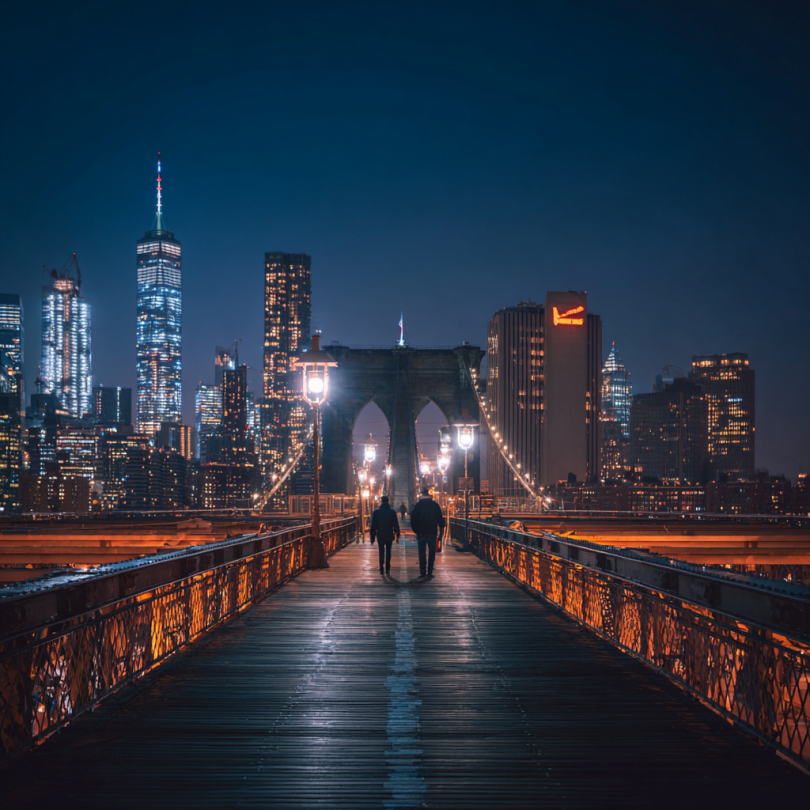
New York Bridges & Lights: Bridge silhouettes, golden hour light, and commuting crowds convey city life in motion.
Each location demonstrates how combining subject, context, motion, and light creates rich, compelling stories in a single frame—or a sequence of frames.
Gear & Settings Tips
Lens Choice: Wide-angle for context, primes for storytelling with shallow depth.
Aperture Control: Low f-stops for isolating subjects, high f-stops for expansive scenes.
Tripod: Useful for long exposures that tell stories through motion blur.
Filters: ND or polarizers enhance colors and mood, emphasizing narrative elements.
Shooting Mode: Burst or continuous mode captures fleeting gestures, expressions, and interactions.
Mindset: Think Like a Storyteller
Photography is about curiosity, observation, and empathy. Ask yourself:
What is happening in this scene?
Who are the subjects, and what are they doing?
How does light, color, and perspective shape the story?
Can I add context or layers to enrich the narrative?
By thinking narratively, every street, market, landscape, or city scene becomes a chance to capture life in motion, emotion, and interaction.
Must-Have Shots Checklist
Candid street moments with human interaction.
Landscapes with foreground subjects for scale and story.
Cultural rituals or festivals showing action and context.
Motion blur of crowds, water, or moving vehicles.
Golden hour or changing light emphasizing emotion.
Close-ups of hands, textures, or objects that tell subtle stories.
Final Thoughts
The secret to memorable travel photography lies in storytelling. By combining context, subject, motion, light, and color, photographers can capture moments that feel alive and meaningful. Crowds, landscapes, urban life, and natural wonders all become richer when framed with narrative intent.
Next time you pick up your camera, remember: you’re not just capturing a scene—you’re telling a story. Observe, anticipate, and frame your shots to convey emotion, drama, and life. Master storytelling, and your photographs will linger in the mind long after they’re viewed.