Why Small Gear Matters
Heavy backpacks, multiple lenses, and bulky equipment can slow you down. You may miss fleeting light, unexpected street moments, or spontaneous landscapes. Small gear is:
Portable: Easier to carry on long walks or hikes.
Quick to deploy: Saves time when the perfect shot appears.
Versatile: Allows multiple uses without taking up space.
Less intimidating: Makes you blend in, especially for street photography.
Small gear doesn’t mean compromising quality. Modern cameras, lenses, and accessories are incredibly capable, and when chosen thoughtfully, they can cover almost every situation you encounter.
Essential Small Gear for Travel Photography
1. Lightweight Camera Body
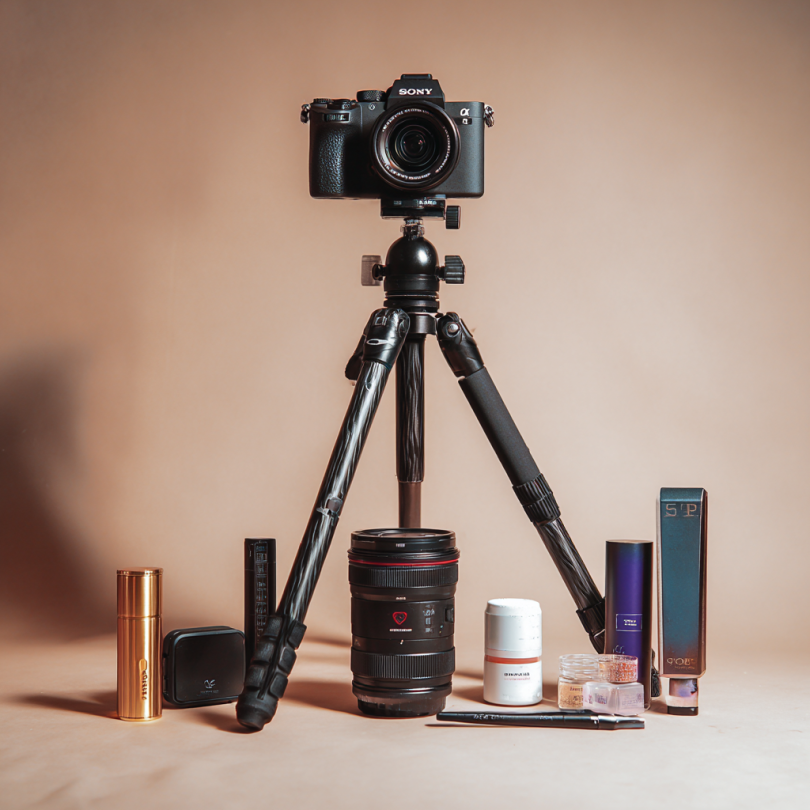
A compact mirrorless camera or high-end compact is often enough for professional-quality images.
Benefits:
Lightweight for all-day carrying.
Quick autofocus and high-resolution sensors.
Compatible with multiple lenses while staying compact.
Pro tip: If you already own a DSLR, consider a mirrorless as a backup for easier mobility.
2. Versatile Lenses
Instead of carrying multiple heavy lenses, choose two or three that cover most situations:
Wide-angle lens (16–35mm): Perfect for landscapes, cityscapes, and architecture.
Standard zoom (24–70mm): Flexible for street photography, portraits, and everyday scenes.
Prime lens (35mm or 50mm): Small, fast, and great for low light or creative shots.
Tip: A lightweight travel zoom (24–105mm) can replace multiple lenses for minimal gear.
3. Compact Tripod
A small, sturdy tripod can open creative possibilities:
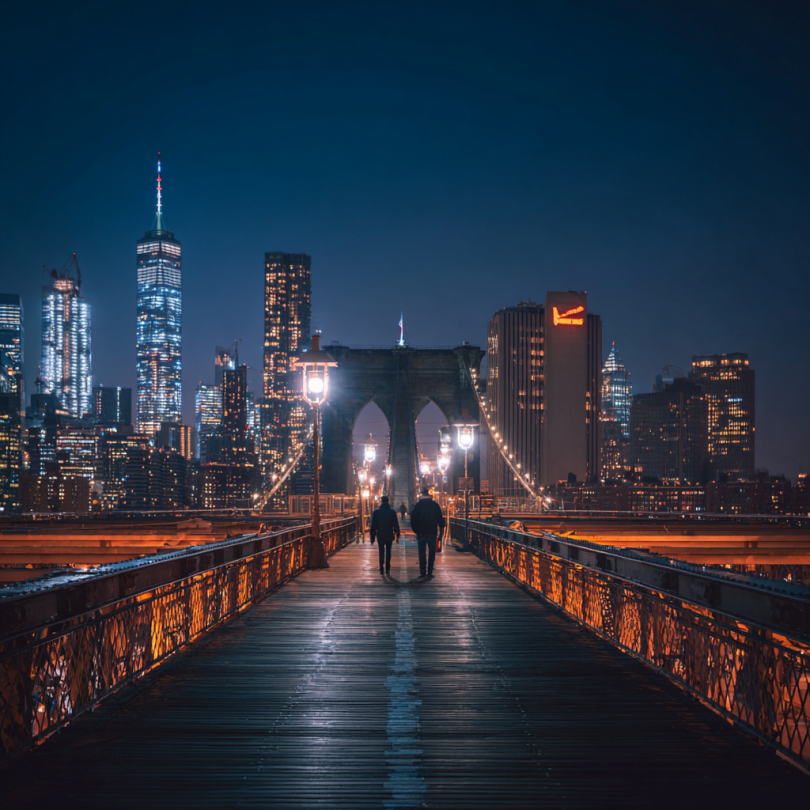
Long exposures: Capture city lights, waterfalls, or star trails.
Low-light photography: Stabilize your camera for sharper shots.
Versatility: Lightweight carbon fiber models fold easily for backpacks.
Pro tip: A mini tabletop tripod can double as a handheld stabilizer for video or long exposure on uneven surfaces.
4. Portable Filters
Small filters enhance your shots without heavy equipment:
ND filters: Control exposure for waterfalls, rivers, or bright sunlight.
Polarizing filters: Reduce reflections on water or glass, enhance skies.
Tip: Circular filters screw onto your lens easily; keep a few sizes to cover your most-used lenses.
5. Camera Bag or Sling Pack
A compact, weather-resistant bag keeps gear accessible and organized.
Benefits:
Quick access to lenses, filters, or tripod.
Protects gear from rain, dust, and bumps.
Lightweight and comfortable for long walks.
Tip: Sling bags are faster to open while standing in a crowd or on a street corner.
6. Extra Batteries & Memory Cards
Small, inexpensive, and critical.
Benefits: Never miss a shot due to drained power or full storage.
Tip: Keep batteries in a small insulated pouch in cold weather to prevent rapid discharge.
7. Smartphone as Backup
Modern smartphones capture excellent images and are perfect when minimal gear is essential.
Tip: Use your phone for spontaneous moments, wide panoramas, or low-light experiments.
Apps: Use manual controls, long exposure apps, or editing apps to enhance flexibility.
How Small Gear Helps in Practice
Street Photography
A compact mirrorless camera fits in your hands or bag without intimidating subjects.
Quick lens swaps and small tripods allow you to experiment with angles and motion blur.
Portable filters help manage reflections or harsh sunlight in urban environments.
Landscape and Nature
Lightweight gear makes long hikes and remote locations manageable.
Compact tripod and filters allow creative long exposures and HDR shots.
Extra batteries ensure you can capture the sunrise, sunset, and changing light without interruption.
Travel and Urban Exploration
Small, versatile lenses cover everything from wide streets to intimate details.
Easy-to-carry gear allows spontaneous decisions: a sudden street performance or a hidden alley becomes a shot instead of a missed moment.
Tips for Traveling Light Without Compromise
Prioritize Multipurpose Gear
Choose lenses, tripods, and accessories that can serve multiple functions.
Know Your Camera Settings
Pre-set frequently used settings to minimize adjustments in the field.
Plan for Conditions
Pack waterproof covers for rain, dust-proof pouches for deserts or beaches, and insulated battery pouches for cold climates.
Practice Minimalism
Less gear encourages creativity. Forced limitations often inspire new perspectives.
Backup Essentials
Extra memory cards, batteries, and a small cleaning kit are small but lifesaving.
Small Gear, Big Creative Impact
Sometimes the smallest gear produces the most dramatic results:
Mini tripod: Turns waterfalls, city streets, and neon lights into long-exposure masterpieces.
Compact lens: Captures stunning landscapes, architecture, and street moments without strain.
Filters: Add depth, contrast, or motion effects without heavy post-processing.
The key is understanding what gear will genuinely help your style and workflow, rather than carrying everything “just in case.”
Recommended Travel Photography Kit (Compact Edition)
Mirrorless camera body (lightweight)
16–35mm wide-angle lens
35mm prime lens
Small carbon fiber tripod
ND and polarizing filters
Compact sling bag
2–3 extra batteries and memory cards
Smartphone as backup
This kit covers almost all scenarios while remaining light, flexible, and easy to carry.
Final Thoughts
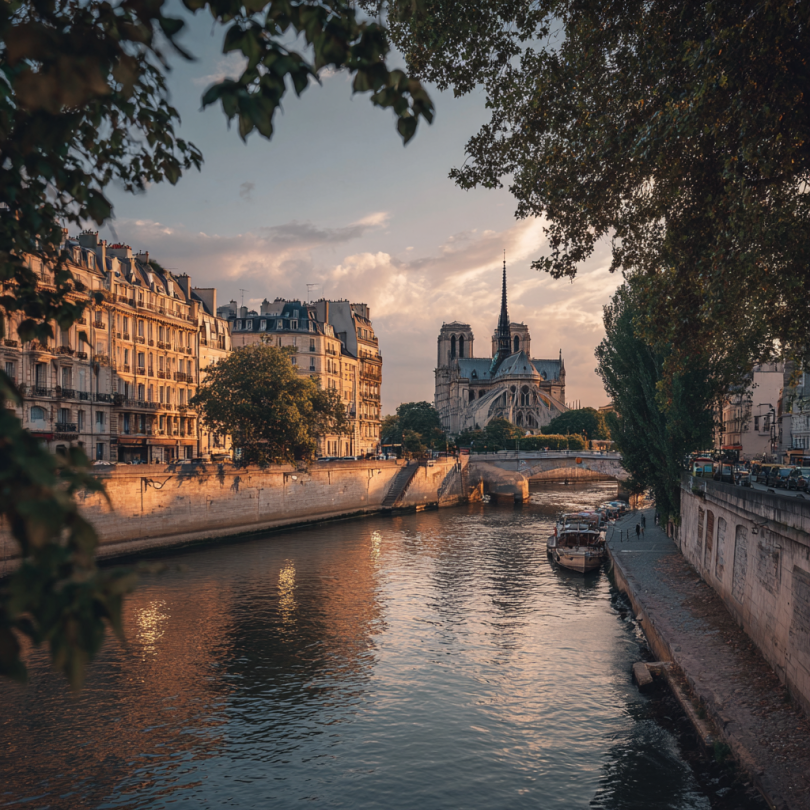
Travel photography is about capturing moments, not lugging gear. The right small gear helps you stay agile, creative, and ready for anything—from hidden streets in Tokyo to glaciers in Iceland, from neon-lit alleys to golden-hour cityscapes.
By thoughtfully choosing your tools, you free yourself to focus on light, composition, and storytelling—the true heart of photography. Small gear may take up little space in your backpack, but its impact on your photography can be immense.
Next time you pack for a trip, remember: small gear, big help. Your back, your creativity, and your portfolio will thank you.