Why Light Matters
Light is not just about brightness; it’s about quality, direction, and color. The same scene can feel peaceful, dramatic, or magical depending on the light at the moment.
Soft light: Found during sunrise, sunset, or overcast days. It’s ideal for portraits, landscapes, and reflections.
Harsh light: Often midday sun; can create strong contrasts, interesting shadows, or silhouettes.
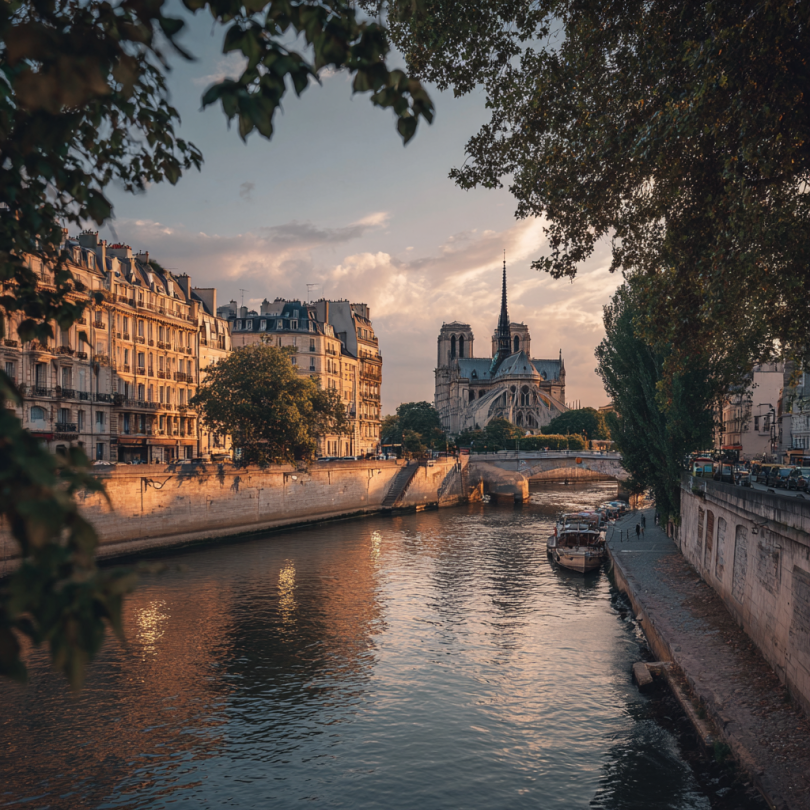
Golden hour: The magical hour after sunrise or before sunset. Warm, flattering, and perfect for storytelling.
Blue hour: The period just after sunset, where the sky turns deep blue and artificial lights begin to glow.
Every type of light gives a unique character to your images. Understanding it allows photographers to choose when, where, and how to shoot for maximum impact.
Observing Light in Different Environments
City Streets
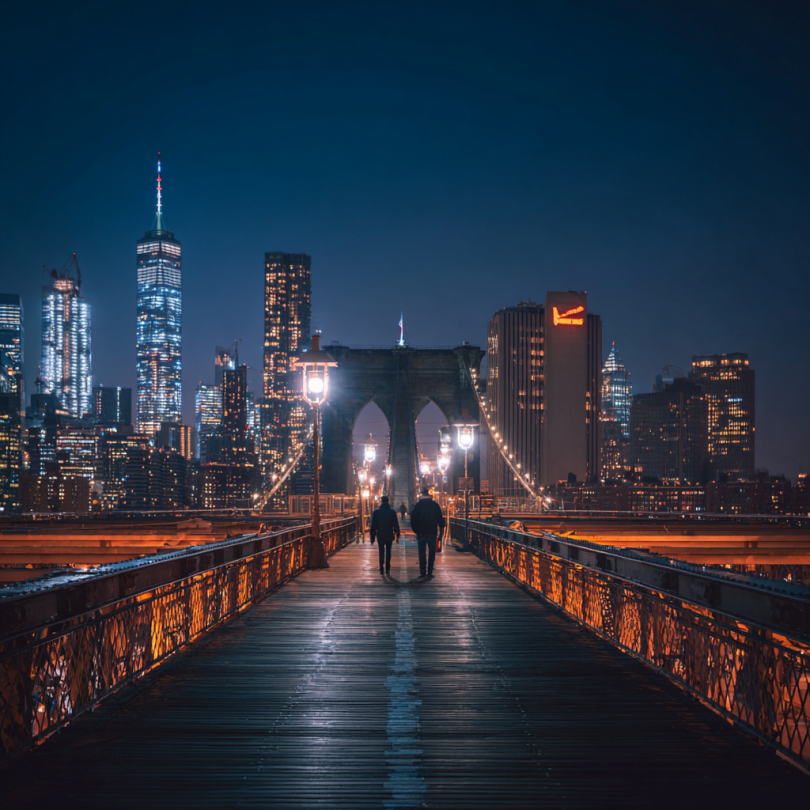
Urban light is a playground. Street lamps, neon signs, headlights, and reflections create endless opportunities.
Night photography: Capture light trails, glowing reflections, or neon signage.
Shadow play: Look for patterns from building structures or trees.
Reflections: Wet streets or glass surfaces double the light effect, creating dramatic scenes.
Nature and Landscapes
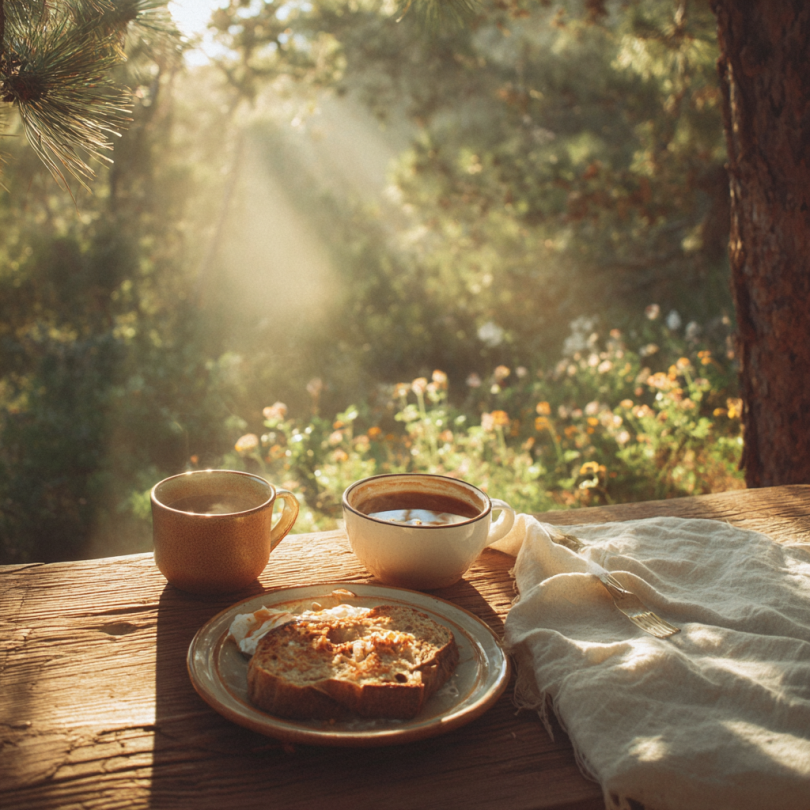
In nature, light shapes everything. The way it hits mountains, rivers, forests, or deserts changes the entire mood.
Sunrise and sunset: Softens harsh textures, adds warm tones, and creates long shadows.
Fog and mist: Diffuses light for ethereal, mystical shots.
Golden hour in the wild: Enhances natural colors—greens, blues, reds—without artificial editing.
Indoor Spaces
Light indoors can transform simple scenes into visually rich compositions.
Windows: Soft, directional light highlights details.
Artificial lights: Neon, lamps, or candles add warmth and mood.
Contrast: Combine natural and artificial light for layered, dramatic effects.
Photography Techniques to Harness Light
Observe Before Shooting
Take a moment to see how light falls on subjects. Shadows, reflections, and highlights are your allies.
Use Shadows Creatively
Shadows can add depth, guide the eye, or create abstract shapes.
Silhouettes
Shooting against the light can simplify a scene and create striking images.
Reflections and Mirrors
Water, glass, and metallic surfaces multiply light and can transform compositions.
Adjusting White Balance
White balance tweaks help emphasize the mood—warmer tones for golden hour, cooler for overcast or blue hour.
Long Exposures
Capture movement of light—traffic, stars, or flowing water—for surreal effects.
Light as a Storytelling Tool
Light is not just aesthetic; it’s narrative. Photographers can use light to evoke emotions:
Soft, warm light: Nostalgia, intimacy, or serenity.
Harsh, angled light: Drama, tension, and contrast.
Dim, diffused light: Mystery or quiet introspection.
Neon or artificial light: Energy, modernity, or urban chaos.
By consciously choosing how to frame light, you tell stories that go beyond the obvious subject.
Practical Tips for Capturing Light
Scout Locations: Visit the same spot at different times to find the best lighting.
Golden Hour Planning: Apps and websites can predict sunrise and sunset times.
Weather Awareness: Clouds, fog, and rain influence how light behaves.
Reflectors and Diffusers: For portrait photography, controlling light can dramatically improve results.
Post-Processing: Enhance, but don’t overdo—light should feel natural and immersive.
Inspiration from Around the World
New York Bridges & Lights: Golden hour on the Brooklyn Bridge, or neon reflections in Times Square.
Paris Without Eiffel: Soft morning light in Montmartre, or street lamps casting long shadows on cobblestones.
Tokyo in Neon: Vibrant artificial lights reflecting in puddles and alleyways, captured with long exposure.
Iceland: Wild Postcard: Sunrise on glaciers, waterfalls glowing in early morning light, auroras dancing in the night sky.
Every location demonstrates a unique interaction with light, reinforcing that photography is not just about what you shoot—it’s about how light shapes what you see.
Light and Your Personal Style
Understanding light helps you define your style. Some photographers prefer high-contrast shadows, others soft and airy atmospheres. Experimentation is key:
Mood Photography: Use low light or overcast days for emotional shots.
Vibrant & Dynamic: Neon, reflections, or bright sunlight enhance energy and color.
Minimalism: Subtle light and negative space can create calm, thoughtful images.
Your signature style emerges when you consistently observe, respond, and adapt to the light around you.
Must-Have Light Moments Checklist
Sunrise over mountains, rivers, or city skylines.
Golden hour capturing textures on streets, leaves, or water.
Night photography with artificial lights, reflections, and neon.
Fog, mist, or cloud-diffused landscapes for ethereal mood.
Shadows that create natural frames or abstract patterns.
Long exposure shots of moving lights—traffic, waterfalls, or stars.
Final Thoughts
Light is more than illumination—it’s the essence of photography. Whether you’re wandering city streets, exploring wild landscapes, or shooting intimate indoor scenes, the way light interacts with your environment defines the mood, the story, and the impact of your photos. Observing, understanding, and harnessing light is what separates snapshots from truly compelling images.
The next time you pick up your camera, pause. Look at the way light falls across the scene. Notice the colors, the shadows, the reflections. Ask yourself: how can I capture this moment so that it feels alive, emotional, and timeless? Because in photography, truly, light is everything.