Why Crowds Are Not Always a Problem
While it’s tempting to imagine empty streets in your photos, the reality is that most iconic locations are visited by hundreds or thousands every day. Crowds can actually:
Add scale: People in the background give a sense of size for landmarks, streets, and landscapes.
Inject energy: Motion, gestures, and interactions make static scenes dynamic.
Tell a story: The presence of locals or tourists creates a narrative of how a place is lived in and experienced.
Create patterns: Repetition of movement, colors, or umbrellas in the rain can add a graphic or artistic element.
By shifting perspective, crowds move from being an obstacle to being a creative advantage.
Techniques for Working with Crowds
1. Use Depth of Field
A shallow depth of field (low f-stop) can blur crowds in the background while keeping your subject in sharp focus. This isolates your main subject while maintaining context and energy.
Tip: Use f/1.8–f/4 on a prime lens for strong background blur.
Example: A street performer in focus with blurred passersby creates a cinematic feel.
2. Capture Motion Blur
Instead of trying to freeze a busy scene, embrace movement:
Use long exposures to blur the motion of people walking past.
This technique works beautifully in crowded streets, marketplaces, or near transport hubs.
Pro tip: Use a tripod or stable surface for consistent framing.
3. Look for Symmetry and Repetition
Crowds often create interesting patterns naturally:
Lines of people in queues or crosswalks.
Umbrellas during rain.
Groups moving in the same direction.
Frame your shot so that the repetition becomes a visual element rather than a distraction.
4. Shoot From Above or Unusual Angles
Elevated perspectives help manage crowds visually:
Rooftops, balconies, or stairs give an overview where movement becomes a texture.
Side angles or low perspectives allow you to isolate foreground subjects while showing crowds in the background.
5. Use Timing Strategically
Even in crowded places, timing matters:
Capture waves of movement when most people are mid-step for dynamic shots.
Early morning or late evening may reduce density but still keep enough people for context.
Crowds in Different Settings
Urban Streets
Cities like Tokyo, New York, and Paris are always bustling. Crowds add vibrancy to street photography:
Neon-lit alleyways in Tokyo look alive when blurred motion is captured.
Shibuya Crossing is a classic example where crowds define the composition.
Use people walking past cafés, buses, or shops as natural elements for framing.
Landmarks and Squares
Even when everyone wants the “perfect empty shot,” including people can enhance scale and storytelling:
Piazza San Marco in Venice is crowded but makes the space feel lively.
Times Square in New York shows energy and movement; long exposures turn lights and people into streaks of life.
Nature and Scenic Spots
Popular natural locations often have tourists, too:
Iceland waterfalls, Iceland’s Diamond Beach, or Icelandic glaciers are often busy. Include hikers or tourists in your frame to show scale.
Motion blur or shallow depth of field helps highlight the landscape while keeping crowds less distracting.
Practical Tips for Managing Crowds
Pre-visualize your composition
Decide if crowds are part of the story or a distraction. Plan your angle and timing accordingly.
Incorporate People
Include them intentionally as part of the frame, not as an afterthought.
Layer Your Scene
Foreground subjects with midground crowds and background architecture create depth and complexity.
Use Leading Lines
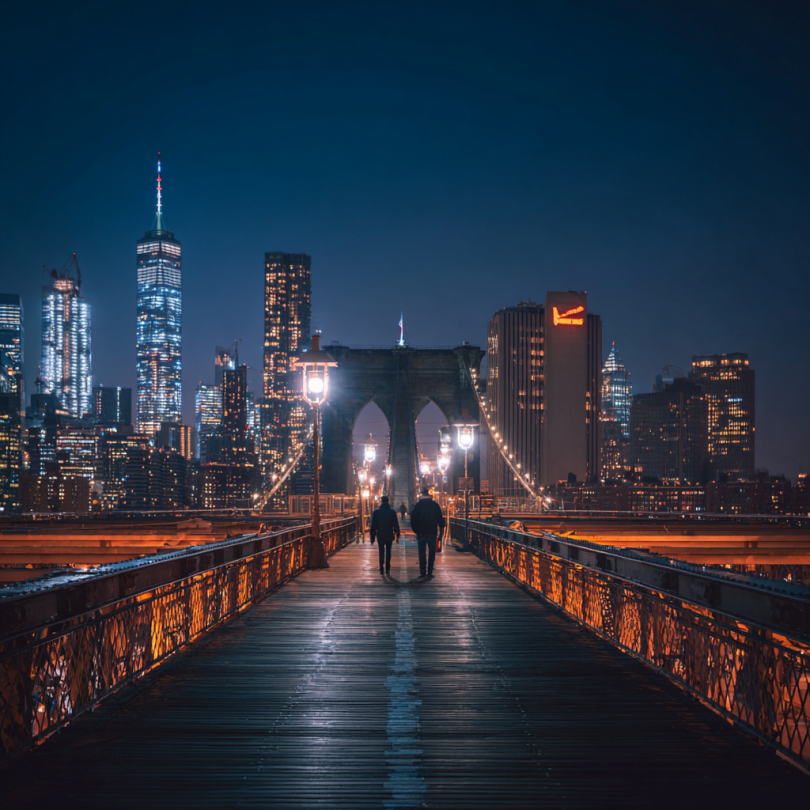
Streets, bridges, and pathways guide the eye through the scene, integrating crowds as a natural element.
Observe Patterns
Umbrellas, hats, or repeated gestures can turn chaotic crowds into a compositional advantage.
Creative Examples
Long Exposure in a Square: Capture swirling motion of pedestrians, creating a dynamic, painterly background.
Blurred Crowds, Sharp Subject: Isolate a musician, street vendor, or lone traveler while maintaining context.
Silhouettes: Shoot against bright backgrounds to create striking crowd silhouettes at sunrise or sunset.
Frames Within Frames: Use windows, arches, or doorways to frame your subject with crowds in the background.
Gear Tips for Crowded Scenes
Fast Lens: Low f-stop lenses let you isolate subjects in busy backgrounds.
Tripod or Monopod: Useful for long exposures and stability in motion blur shots.
Wide-angle Lens: Captures large groups and cityscapes with crowds.
Telephoto Lens: Compresses the background and captures candid moments from a distance.
Mindset: Embrace the Chaos
Crowds are often unavoidable, but instead of fighting them, see them as part of the scene’s story and energy. Busy streets, lively markets, and popular landmarks become richer with human activity. Each person in your frame is a contributor to the overall composition, adding scale, color, and motion.
By learning to observe, anticipate, and incorporate crowds, photographers move from frustration to creativity. Every chaotic scene becomes a chance to tell a more dynamic, authentic story.
Must-Have Shots Checklist
Shibuya Crossing, Tokyo, capturing motion blur of thousands.
Golden hour street performer with blurred pedestrians in the background.
Umbrella patterns on a rainy Paris street.
Hikers in front of a waterfall or mountain for scale.
Busy market scene with leading lines and depth.
Landmark with intentional foreground subject and dynamic midground crowd.
Final Thoughts
Crowds in photography don’t have to be a problem—they can be an asset. By embracing movement, scale, and energy, photographers can transform busy scenes into dynamic, storytelling images.
Next time you face a packed street, square, or scenic viewpoint, remember: don’t wait for everyone to leave. Observe, frame, and turn crowds in the background into your creative advantage. It’s a chance to capture life in motion, human stories, and the energy that makes travel photography so compelling.