Why Colors Matter
Colors influence how we feel when we look at an image. Different hues can convey energy, calmness, warmth, or mystery.
Warm colors (reds, oranges, yellows): Create energy, intimacy, and excitement.
Cool colors (blues, greens, purples): Evoke calmness, serenity, and space.
Contrasting colors: Draw attention to the subject and create visual tension.
Complementary colors: Red vs green, blue vs orange, create balance and pleasing aesthetics.
Monochromatic schemes: Using shades of a single color can emphasize mood, simplicity, or elegance.
By consciously choosing colors, photographers can guide the viewer’s eye and convey emotion without words.
Practical Tips for Using Colors
1. Look for Natural Color Contrasts
Red doors against neutral walls, colorful umbrellas in the rain, or neon lights in urban streets.
Contrasts help your subject stand out and give the composition structure.
2. Use Color as a Leading Line
Streets, signage, or architecture can lead the viewer’s eye through a scene.
Example: A row of yellow taxis in New York, or a vibrant alley in Tokyo, naturally draws attention.
3. Balance Colors in Your Composition
Avoid overwhelming the viewer. Include neutral spaces to let strong colors breathe.
Tip: Even busy markets or festivals can feel harmonious when balanced with calm backgrounds.
4. Capture Seasonal Colors
Autumn leaves, spring blooms, or icy blues of glaciers offer unique, temporary palettes.
Timing is everything: capturing colors at their peak maximizes visual impact.
Why Focus Matters
Focus controls what the viewer sees first, how depth is perceived, and which elements tell the story.
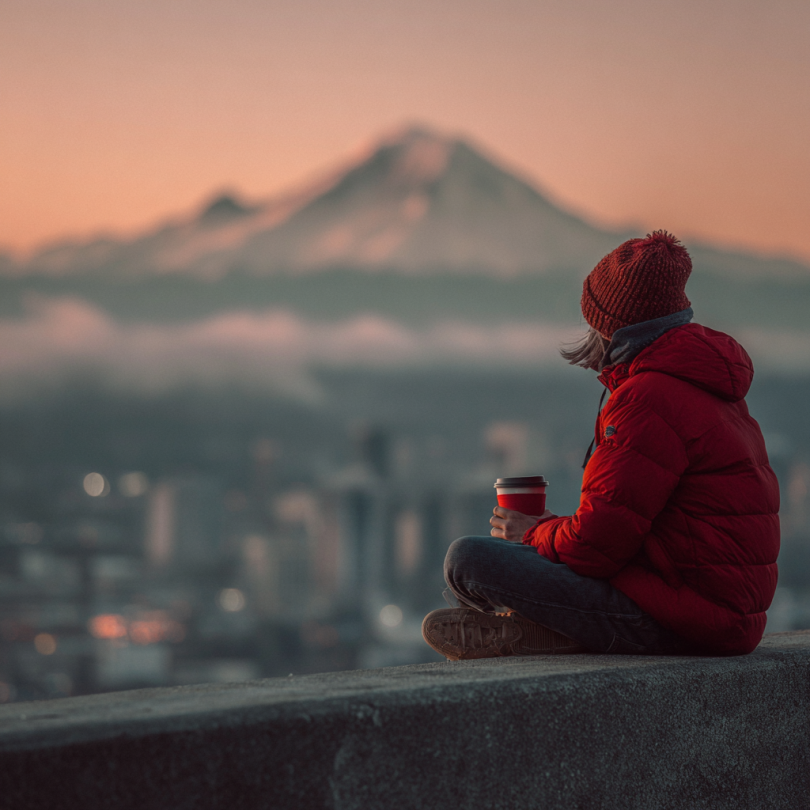
Shallow depth of field (low f-stop): Isolates your subject, blurs the background, and creates intimacy.
Deep depth of field (high f-stop): Keeps foreground and background sharp, ideal for landscapes or cityscapes.
Selective focus: Draws attention to details like textures, patterns, or small subjects in a busy scene.
Manual focus: Useful in low-light conditions or when you want precise control over the subject.
Proper focus ensures your story is clear, and when combined with color, it can create visually striking compositions.
Practical Tips for Using Focus
1. Isolate Subjects with Shallow Depth of Field
Ideal for portraits, street performers, or flowers.
Example: A vibrant red umbrella in focus against blurred city streets creates drama.
2. Layering for Depth
Keep some elements sharp in the foreground while gradually blurring the background.
This technique works beautifully in nature (flowers to mountains) and urban photography (café table to street scene).
3. Use Leading Focus Points
Focus guides the viewer’s eye naturally through your frame.
Example: A line of colorful houses leading to a distant spire, with selective focus on the middle.
4. Experiment with Motion & Blur
Intentional blur adds energy and contrast to sharp, in-focus subjects.
Useful in bustling streets, flowing water, or moving crowds.
Combining Colors & Focus for Maximum Impact
The magic happens when colors and focus work together:
Contrast with focus: A bright subject in sharp focus against a muted background emphasizes importance.
Complementary focus: Keep complementary colors in different planes (foreground vs background) for layered storytelling.
Depth with color gradients: Use gradual color changes to create natural depth in landscapes, skies, or city streets.
Examples from Around the World
Tokyo in Neon: Vibrant lights create color energy; selective focus isolates street performers or reflections.
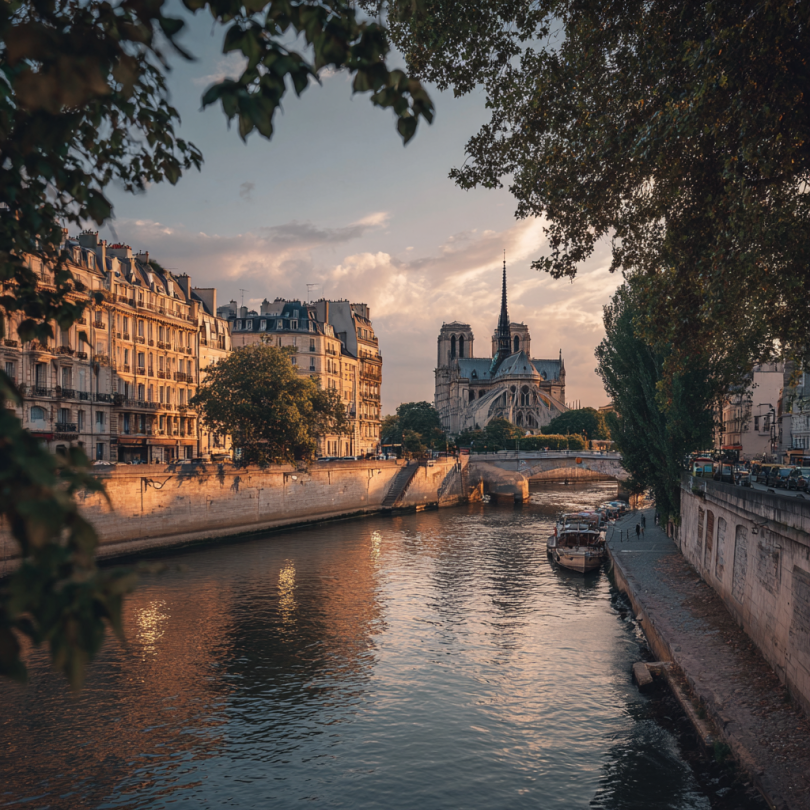
Paris Without Eiffel: Warm street lamp glow contrasts with cool shadows; shallow depth highlights café scenes.
Iceland: Wild Postcard: Icy blues against black volcanic rocks; focus on textures in glaciers or waterfalls.
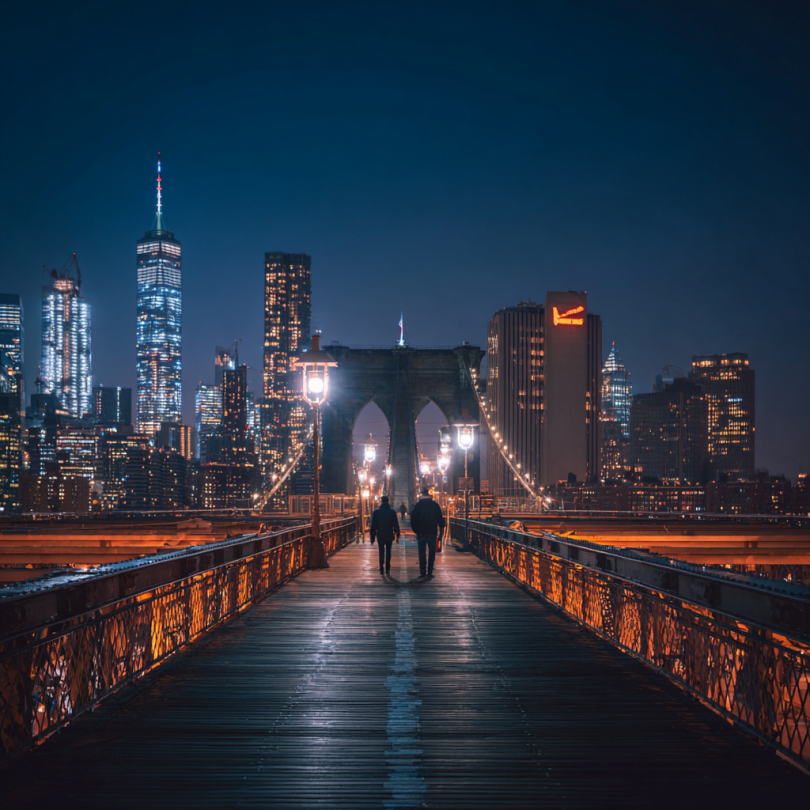
New York Bridges & Lights: Yellow taxis pop against muted buildings; long exposure and focus on bridge details tell the story of urban energy.
Each location demonstrates how conscious use of colors and focus transforms ordinary scenes into dynamic, memorable images.
Gear & Settings Tips
Lens Choice: Fast primes (f/1.4–f/2.8) for shallow depth; wide-angle for landscapes.
Aperture Control: Adjust to achieve desired depth of field.
Focus Modes: Use single point for precision; continuous for moving subjects.
Filters: Polarizers enhance colors in skies or water; ND filters help control light for long exposures.
Post-Processing: Adjust saturation, contrast, and selective sharpening to emphasize color and focus without overdoing it.
Mindset: See Beyond the Obvious
Great photography isn’t just about capturing what’s in front of you—it’s about seeing the interplay of colors and focus.
Observe natural contrasts and harmonies in your environment.
Anticipate how depth of field can guide storytelling.
Experiment with foreground and background relationships to create layered compositions.
Don’t be afraid to use bold, unexpected colors to add emotion and drama.
By thinking in terms of color and focus, you can elevate everyday moments into powerful visual narratives.
Must-Have Shots Checklist
Vibrant street scene with blurred pedestrians and in-focus subject.
Colorful architecture leading to a sharp focal point.
Neon signs in sharp focus with soft, busy city background.
Nature landscapes with depth layers and seasonal colors.
Minimalist compositions emphasizing single color with selective focus.
Festivals or markets with complementary color pairs guiding attention.
Final Thoughts
Colors and focus are the secret ingredients of impactful photography. By understanding their interaction, photographers can guide viewers’ eyes, evoke emotions, and tell stories that linger. Every city street, natural landscape, or urban scene offers opportunities to play with hues, contrasts, and depth.
Next time you pick up your camera, pay attention not just to what you’re photographing—but how colors and focus interact in your scene. Master these elements, and every shot becomes more vibrant, dynamic, and unforgettable.